Harte Research Institute Collects Oyster Shells to Restore Texas Reefs
A program led by the Harte Research Institute at Texas A&M University-Corpus Christi is collecting oyster shells from local restaurants to help rebuild oyster reefs in Texas bays, providing crucial habitat for marine life and improving water quality.

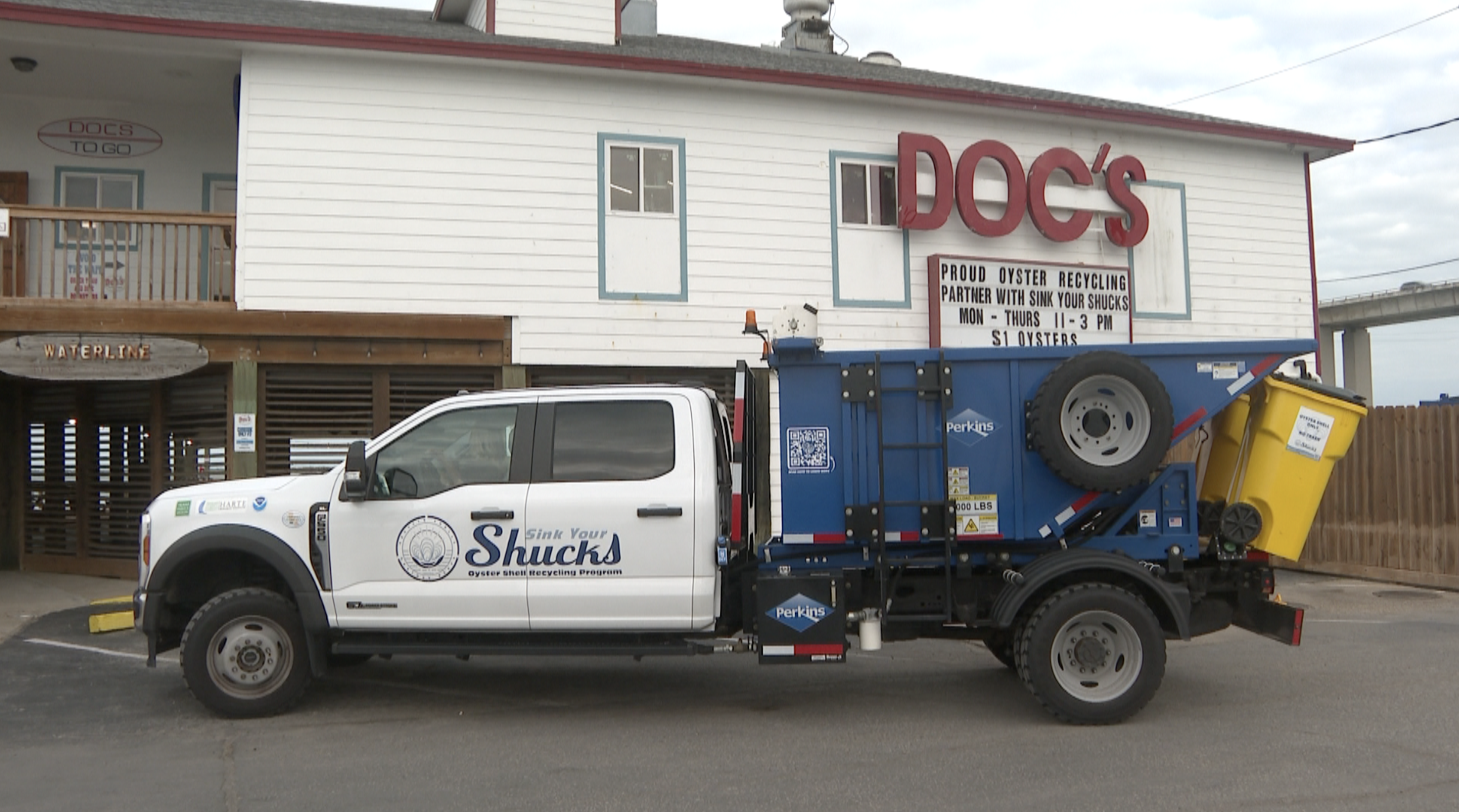
 Corpus Christi, TX, November 5, 2026 — A collaborative effort spearheaded by the Harte Research Institute at Texas A&M University-Corpus Christi is underway to revitalize Texas bays through oyster reef restoration. The initiative involves collecting used oyster shells from local dining establishments.
These collected shells are a critical component in the process of rebuilding oyster reefs. Oyster reefs serve as essential underwater structures, providing vital habitat for a diverse range of marine organisms. The presence of healthy reefs supports the broader ecosystem within the bays.
Beyond their role as marine habitat, oyster reefs also contribute to improved water quality. Oysters are filter feeders, meaning they strain particles from the water column as they consume food. This natural filtration process helps to clarify bay waters, leading to a healthier aquatic environment. The program aims to leverage the discarded shells, giving them a new purpose in environmental restoration.
The specific details regarding the timeline of the program, the exact number of participating restaurants, or the anticipated scale of reef restoration were not provided in the summary. Information regarding the specific Texas bays targeted for restoration also remains unspecified.
The Harte Research Institute, based in Corpus Christi, Texas, is dedicated to research and education concerning the coastal environment of Texas. This oyster shell collection program is part of their broader commitment to marine conservation and the ecological health of Texas coastal waters.
Story summarized from the original created by Jacob Daniels on www.kristv.com, see more information here.
Media gallery